AI-generated videos, photographs and voices can make a person appear to say or do something that never happened. When does that cross the line into a legal offence in India?
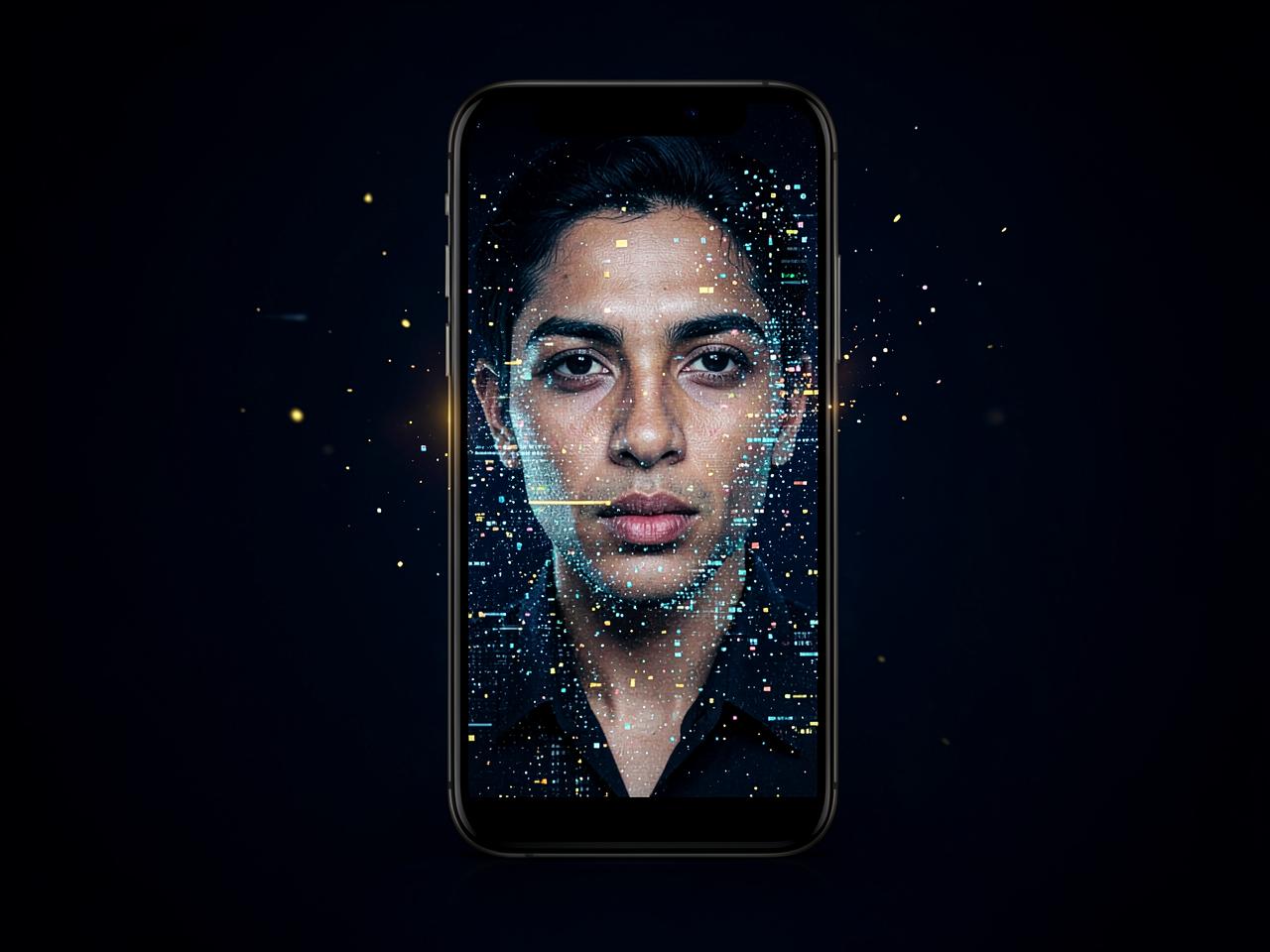
Artificial Intelligence has changed the way we create, share and consume information. But one of its most controversial developments is the rise of deepfakes—AI-generated videos, photographs, voices or text that can make a person appear to say or do something that never happened.
For ordinary users, a deepfake may appear to be harmless entertainment. Legally, however, the consequences can be serious. A manipulated video may be used for impersonation, fraud, harassment, reputational harm, sexual exploitation or misinformation.
India does not currently have one single “Deepfake Act”. Instead, different laws may apply depending on the conduct involved. The Information Technology Act, 2000 contains provisions dealing with identity theft, cheating by personation, privacy violations and sexually explicit content. The Government has also strengthened the regulatory framework concerning AI-generated unlawful content and platform accountability.
The legal challenge becomes even more complicated when the victim is unable to immediately identify who created or circulated the manipulated content. Social-media platforms, therefore, increasingly become an important part of the legal process.
For victims, preserving evidence is critical. Screenshots, URLs, account details, timestamps, original files and communications should be preserved before content disappears. A complaint may also be made through appropriate cybercrime and law-enforcement channels.
The deeper legal question is no longer simply “Is this video real?” It is “Who created it, who circulated it, and what harm did it cause?”
As AI becomes more sophisticated, Indian law will increasingly have to balance technological innovation with privacy, reputation, dignity and individual rights.
Key Takeaway: AI-generated content is not automatically illegal, but using deepfakes for impersonation, fraud, harassment, privacy violations, sexual exploitation or other unlawful purposes can attract legal consequences. If you are a victim, preserve the original digital evidence and seek legal assistance promptly.
Frequently Asked Questions — 1. Are deepfakes illegal in India? There is no single law specifically titled the “Deepfake Act”. Depending on the circumstances, provisions of the IT Act, BNS and other applicable laws may apply.
2. What should I do if someone creates a fake video of me? Preserve screenshots, URLs, account details, timestamps and the original files. Avoid deleting evidence before securing copies and consider reporting the content to the platform and appropriate authorities.
3. Can I take legal action against the person who created a deepfake? Yes, depending on the nature of the content and the harm caused, criminal and/or civil remedies may be available.
4. Can social-media platforms be held responsible? Platforms have legal and regulatory obligations concerning unlawful content. Their liability depends on the circumstances and the applicable statutory framework.
5. Can a deepfake be used as evidence in court? Potentially, but its authenticity, source, integrity and admissibility must be established in accordance with the applicable law of evidence.
FinerCodeIndia provides legal research, drafting assistance, documentation, litigation support and professional legal consultation across diverse areas of law. If you have a matter to discuss, our team is available 24/7.
Content on this page is for general information only and does not constitute legal advice.