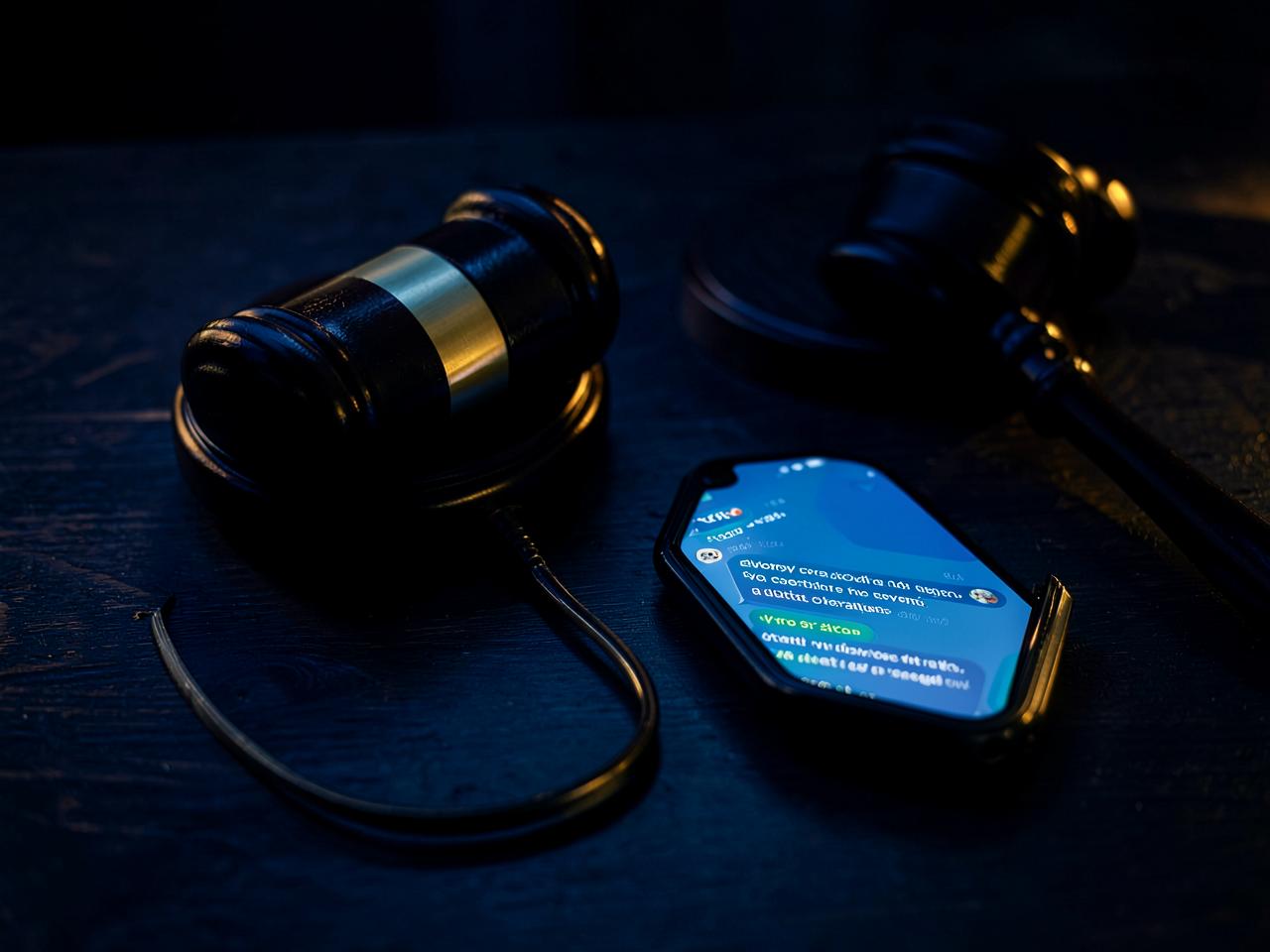
A WhatsApp conversation, email or CCTV recording can be the most important piece of evidence in a dispute — but showing a screenshot in court does not automatically make it reliable evidence.
A WhatsApp conversation, email, CCTV recording or mobile-phone photograph can sometimes become the most important piece of evidence in a legal dispute.
But simply showing a screenshot to the court does not automatically make it reliable evidence.
India's Bharatiya Sakshya Adhiniyam, 2023 (BSA) has brought electronic records firmly into the modern evidence framework. One important issue is the manner in which electronic records are authenticated and presented before a court.
In July 2026, the Supreme Court upheld the constitutional validity of the requirement under Section 63(4) of the BSA concerning certification of electronic records. The Court's decision reinforces the importance of following the statutory procedure when electronic evidence is relied upon in court.
This has practical consequences for litigation.
Suppose a person claims that the opposite party sent a threatening WhatsApp message. A screenshot may show the conversation, but questions can arise: Was the screenshot altered? Who operated the account? Is the device genuine? Has the original data been preserved? Can the electronic record be properly authenticated?
These questions can become crucial during trial.
Lawyers and litigants should therefore avoid casually deleting, forwarding or modifying potentially relevant digital material. Original devices, emails, chats, metadata and other electronic records may become important for establishing authenticity.
Electronic evidence is particularly significant in cybercrime, matrimonial disputes, commercial litigation, criminal trials and financial fraud cases.
The message for litigants is simple: digital evidence can be powerful—but only when its authenticity and legal admissibility are properly established.
In the digital age, winning a case may depend not merely on what the evidence says, but also on whether you can legally prove that the evidence is genuine.
Key Takeaway: A WhatsApp message, email, photograph or CCTV recording can be powerful evidence, but its existence alone does not guarantee admissibility. Proper preservation, authentication and compliance with the Bharatiya Sakshya Adhiniyam, 2023 are essential when relying on electronic evidence.
Frequently Asked Questions — 1. Can WhatsApp chats be used as evidence in court? Yes. Electronic communications may be relied upon as evidence, subject to the requirements governing admissibility and authentication.
2. Is a screenshot of WhatsApp messages enough? Not necessarily. A court may require the electronic record to be properly authenticated and the statutory requirements to be satisfied.
3. What is a certificate under Section 63 of the BSA? Section 63 deals with the admissibility of electronic records and prescribes requirements relating to electronic evidence, including certification in applicable circumstances.
4. Should I preserve my original mobile phone? If the device contains potentially relevant evidence, it may be important to preserve it in its original state and avoid actions that could alter or destroy relevant data.
5. In which cases is electronic evidence commonly used? Electronic evidence is frequently relevant in cybercrime, criminal trials, matrimonial disputes, commercial disputes, financial fraud, property disputes and other litigation.
FinerCodeIndia provides legal research, drafting assistance, documentation, litigation support and professional legal consultation across diverse areas of law. If you have a matter to discuss, our team is available 24/7.
Content on this page is for general information only and does not constitute legal advice.